


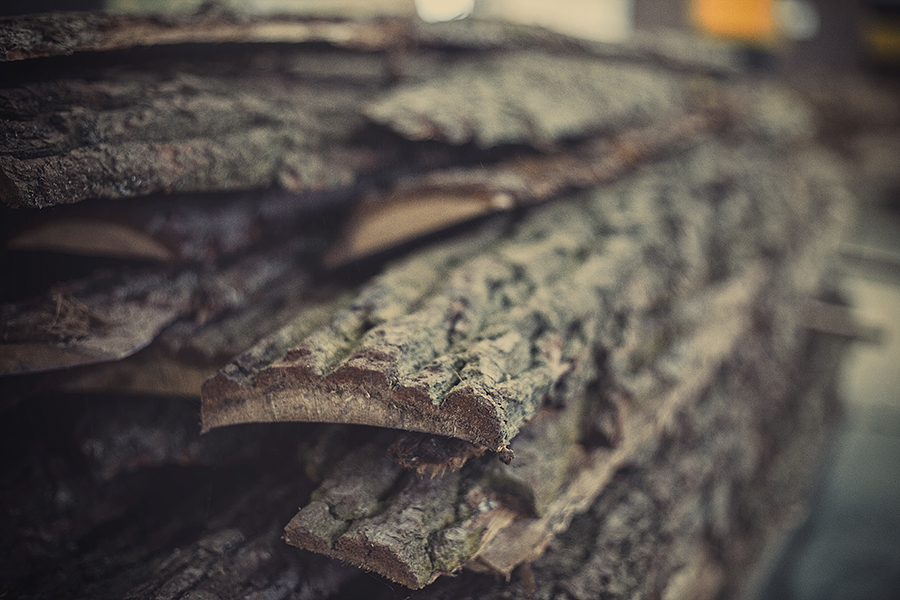
Choosing the right wood for the production of garden furniture is of great importance for the durability and appearance of the final product. Wooden furniture for the garden should combine aesthetics with functionality, and its raw material must comply with the principles of sustainable development. The decision to choose a specific type of wood affects the comfort of use, as well as the ecological footprint of the entire product.
Characteristics of wood species
Pine (Pinus sylvestris)
Pine wood is characterized by softness, which makes it easy to process. Regular impregnation is essential to increase the resistance of furniture to weather conditions. The pine tree is distinguished by its rapid growth – in the first year the growth is about 15-20 cm, which makes this species renew itself in a short time. Thanks to this, wooden garden furnituremade of pine is an economical and ecological solution.
Spruce (Picea abies)
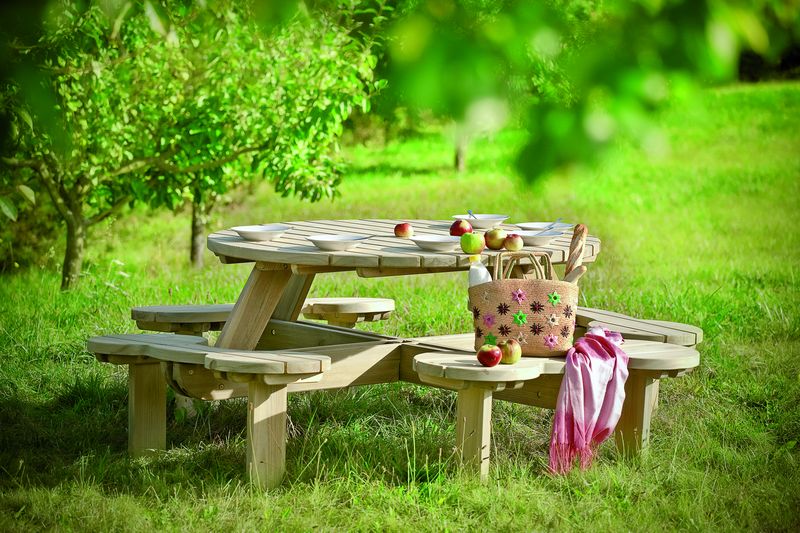
Another popular choice is spruce wood, characterized by a light structure and light shade. This type of wood is widely used in construction and in the production of garden furniture. Spruce grows quickly, reaching a height of 20 to 40 meters, which allows it to be quickly renewed. As a local raw material, it reduces the carbon footprint resulting from transport.
Larch (Larix decidua)
This species is distinguished by exceptional durability and resistance to moisture. Larch wood is denser, which makes furniture made of larch more resistant to mechanical damage. Although the growth rate of larch is slower than that of pine or spruce, its strength and aesthetics are an argument in favor of its choice.
Cedar (Cedrus) and Acacia (Robinia pseudoacacia)
Cedar is a wood that naturally resists insects and rotting, making it easy to move furniture due to its lightness. In comparison, acacia, also known as robinia acacia, is harder and has an intense color that retains after regular oiling. Both species provide wooden furniture for the garden with high aesthetics, although their growth rate and care requirements differ significantly.
Ecological aspects of wood selection
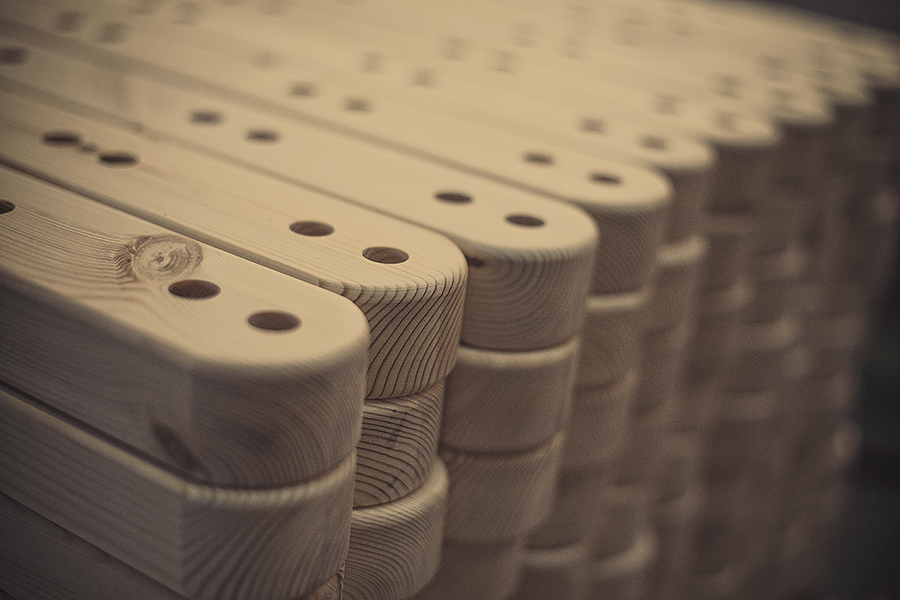
From a zero waste lifestyle point of view, choosing local wood species such as pine or spruce is more environmentally friendly. The rapid growth of these trees allows for regular renewal of resources, which significantly reduces the negative impact on nature. In addition, shorter transport distances translate into reduced CO₂ emissions. Supporting local producers contributes to sustainable forest management.
Garden furniture maintenance
Regardless of the species you choose, regular maintenance of wooden garden furniture is key to its longevity. It is recommended to use protective preparations, such as impregnations, oils or varnishes, which create a barrier that protects the wood from moisture, UV radiation and pests. Every season, it is worth carefully checking the condition of the furniture – you should pay attention to possible cracks, looseness in the joints or traces of mold. Early intervention avoids costly repairs and increases safety of use.
Summary
In conclusion, choosing the right type of wood for the production of wooden furniture for the garden depends on many factors, such as durability, aesthetics and environmental impact. Exotic species offer high resistance to weather conditions, but their use is associated with a greater ecological burden. Native wood, such as pine or spruce, is a more ecological and economical solution, and its rapid growth supports the principle of renewability. In addition, regular maintenance and proper care extend the life of the furniture, which translates into long-term user satisfaction.
In the face of growing environmental awareness, the decision to choose local wood not only enhances the functionality and aesthetics of the furniture, but also supports environmental protection and sustainable forest management. Every step towards conscious selection of raw materials contributes to building a better future.
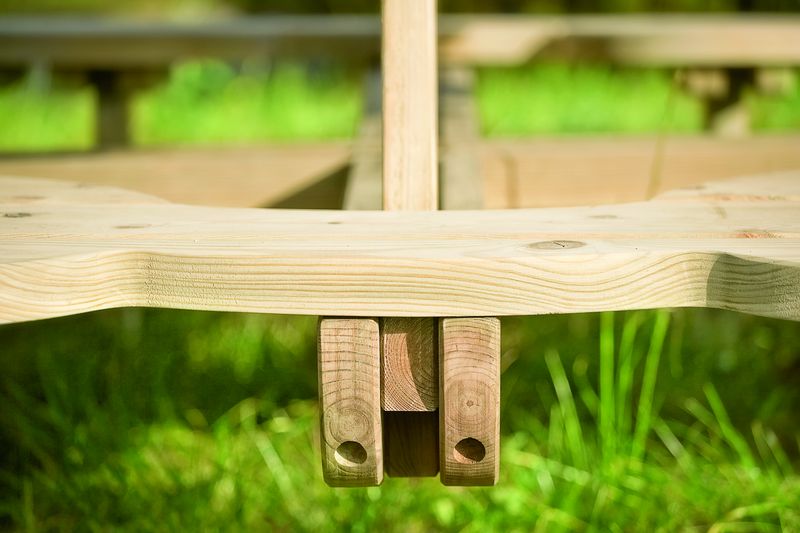
Thanks to the careful selection of wood species and regular care, garden furniture will not only retain its unique character, but will also become an investment for years to come, which supports environmental protection and the local economy.